How does a private clinic stop relying solely on traditional referrals and take control of its own patient intake? It's a question many medical practices struggle with. The threshold for actively acquiring patients online is often high because of strict healthcare regulations. U-Clinic decided to take the step anyway and looked for a partner to build a predictable online growth model.
The results of this partnership didn't take long to show. Within 24 hours of the very first ad going live, 14 complete enquiries were already in the system. After the first month, the varicose veins treatment area alone had reached 90 enquiries, at an average cost per lead of just €10.76. In this in-depth client success story, we explain exactly which data-driven strategy sits behind these numbers and what we learned along the way.
Thorough strategy sessions and the doctor's schedule
A successful campaign for a medical clinic never starts with simply switching on a few ads. It takes a deep dive into the patient journey. That's why we started with several intensive strategy sessions. Together with U-Clinic's specialists, we mapped out the pain points, barriers and recognisable symptoms for each treatment area.
We structured the funnel around Eugene Schwartz's awareness model, so every message matches the prospect's level of knowledge: from completely unaware to ready to choose.
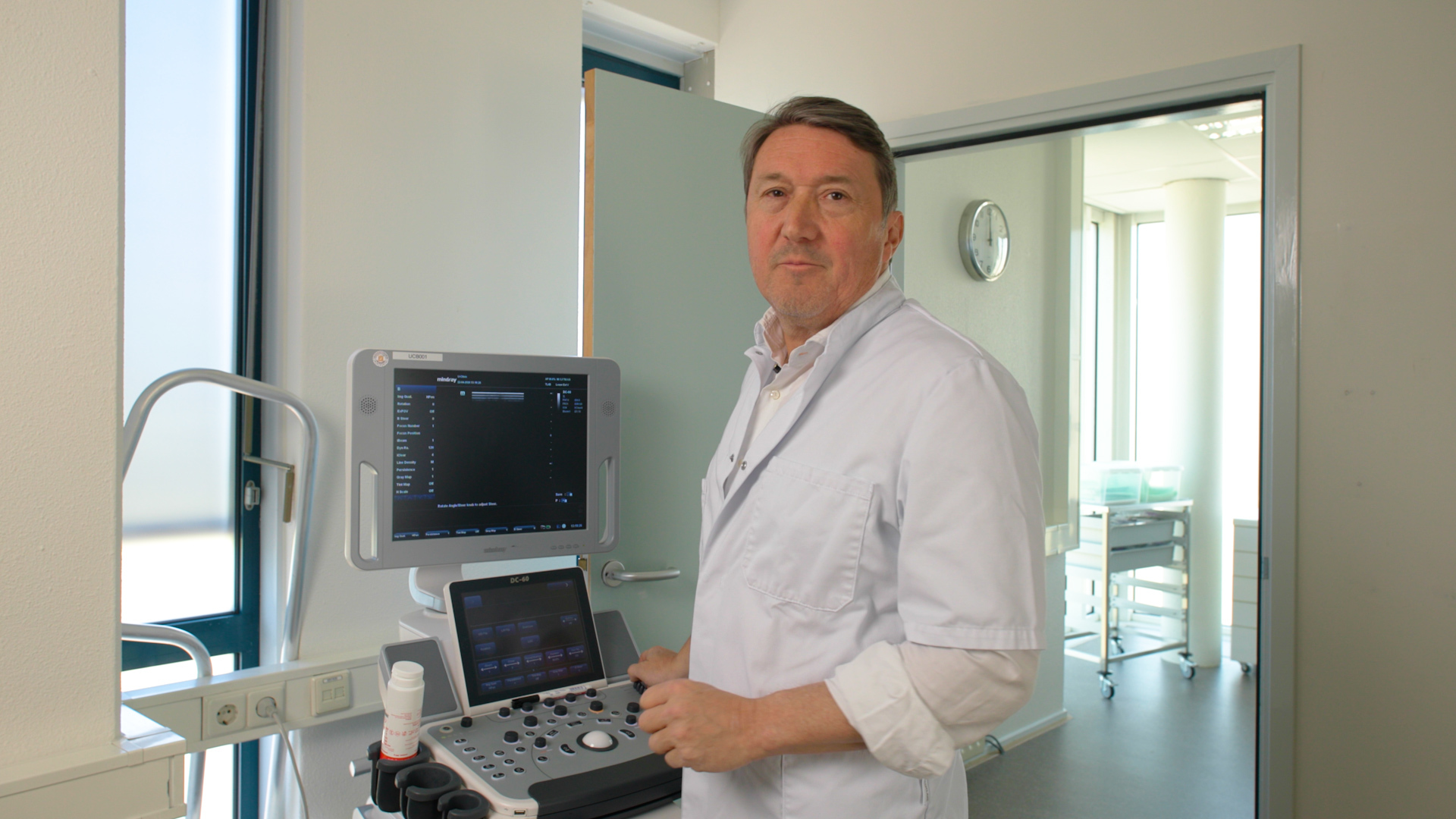
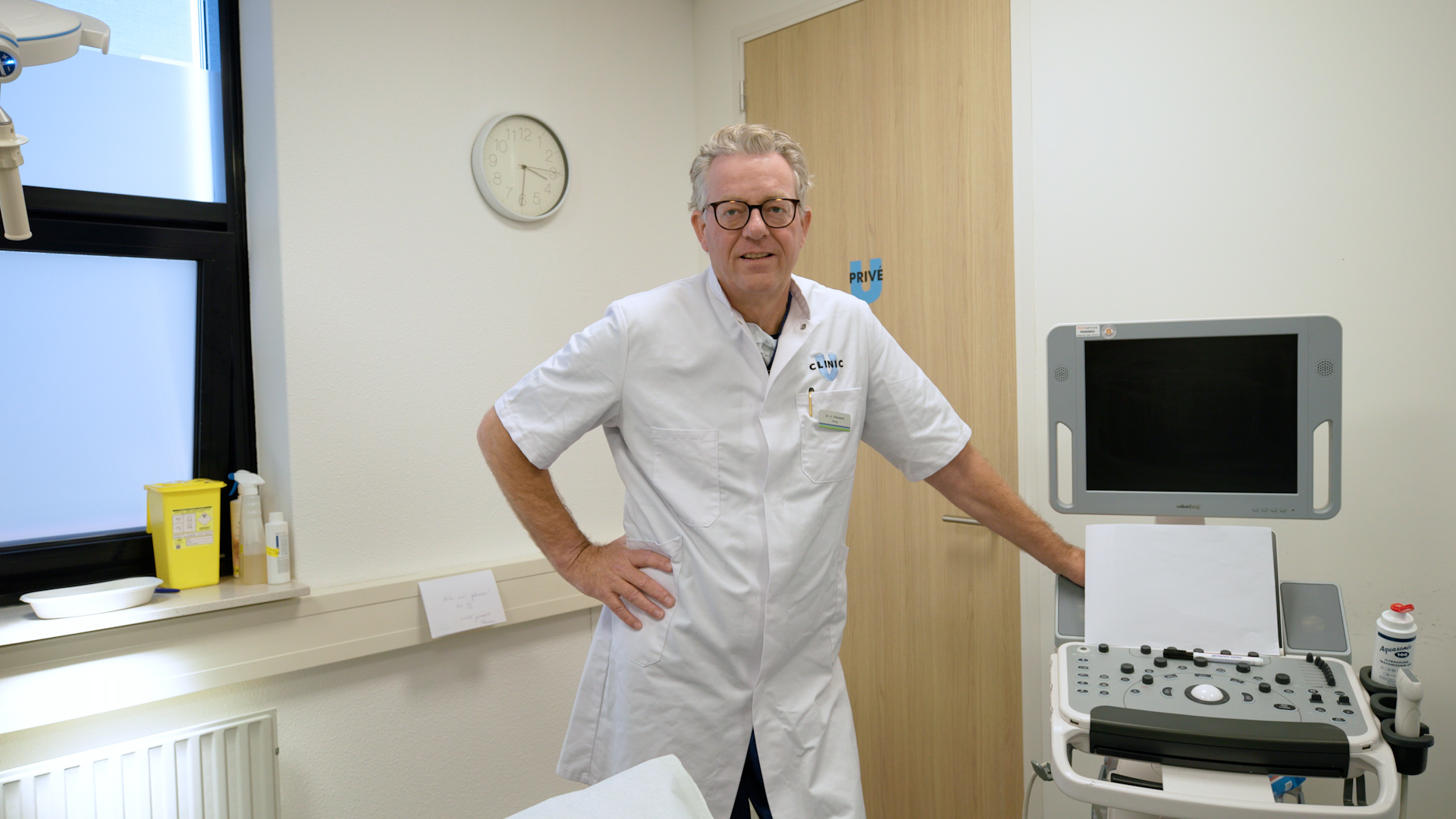
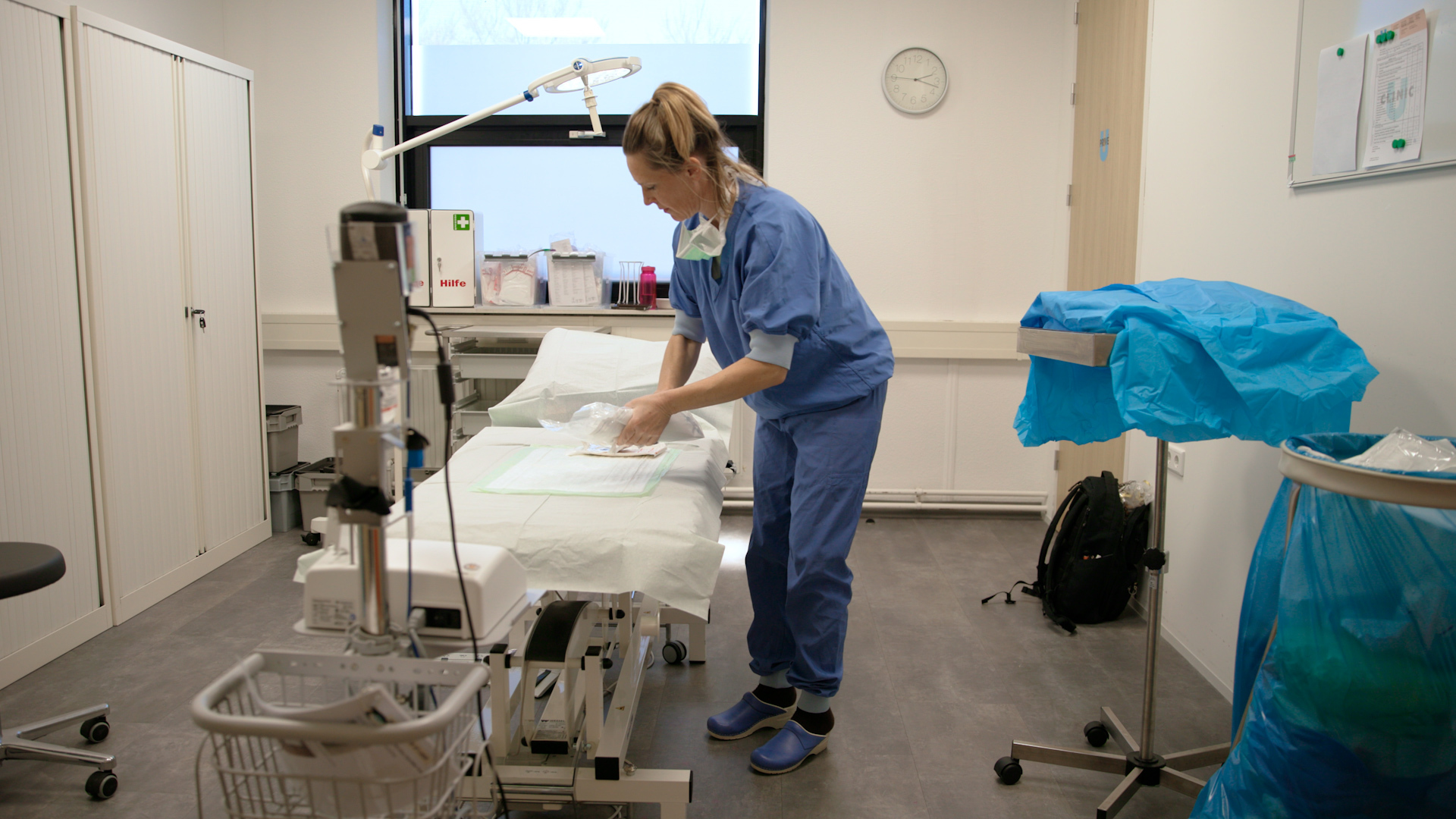
During content production, the biggest logistical challenge was often the specialists' time and the clinic's availability. Doctors and surgeons have packed schedules and, understandably, no time for hours-long filming days. To respect their valuable time, we developed scripts and strong video formats in advance that we could easily shoot in between appointments. Thanks to this thorough preparation, we shot all the content in no time, without disrupting the clinic's regular care schedule.
Four content funnels within Meta's guidelines
Advertising in the medical sector takes precision, mainly because of the strict ad policies of platforms like Meta. You're never allowed to address viewers directly about a personal condition, and you can't make unrealistic promises. We shaped all the copy and videos to be one hundred percent compliant with Meta's rules, without losing any of the ads' persuasive power.
In total, we built four complete content funnels, each one naming the complaint it addresses:
- Varicose veins: Focused on lowering the barrier to an intake appointment and restoring mobility.
- Proctology: Where the right tone let us make these complaints easy to talk about, in a respectful way.
- Dermatology: Focused on recognisable skin conditions and the dermatologists' expertise.
- Skin improvement: Aimed at the cosmetic and medical-aesthetic audience.
One of our biggest learnings from this project is that strict limitations push you to be more creative. Take the proctology funnel. Because there's a huge taboo around this kind of intimate complaint, we had to be extra inventive with the visual language and the scripts. By using metaphors and focusing on relief from the pain rather than the condition itself, we reached the audience without breaking the guidelines.
To feed these funnels properly, we produced 9 video ads and 9 static ads per treatment area, among other things. The static images turned out to be a great way to quickly find out which headlines earned the highest click-through rate. Once the data showed which message resonated, the video ads took over to bring in the final conversions.
Curious about the visuals we developed? See the full U-Clinic case page, including all the videos and content creations.
From click to conversion through website optimisation
As an experienced online marketing agency, we look beyond the statistics in the ad dashboards. Great ads only pay off when the landing page matches the visitor's expectations seamlessly. That's why we ran a full CTR analysis on U-Clinic's website to map click behaviour. We looked closely at where potential patients hesitated or dropped off. This was crucial, because we often see conversions fall apart on the website.
Working closely with the clinic's regular web developer, we made targeted changes for conversion optimisation. The enquiry form became easier to complete, and we shot extra content specifically for the website itself. By adding short introduction videos from the treating doctors and clear explainer videos, visitors' trust went up considerably. As a result, a click on the ad actually turned into a concrete enquiry.
Measuring with server-side tracking: from rocky start to rocket
To make a medical campaign scalable, you have to be able to trust your data completely. This is where we hit a serious challenge, because tracking in healthcare is a very different story from a standard webshop. Because of the extra-strict privacy rules around patient data and medical cookies, we ran into quite a few technical problems early on. Systems refused to pass on data, and the measurements weren't fully accurate at first.
We had to dive deep into the technical side to set up an advanced server-side tracking infrastructure. To be honest, it took some blood, sweat and tears, but once the tracking was watertight, the campaigns really took off like a rocket.
This data flow lets us, as a performance agency, steer the ad budget straight to the best-performing funnels and bring down the overall cost per lead. It also helps us prevent ad fatigue. As soon as we see a particular video ad start to saturate after a few weeks, our creative team steps in right away with new ads to keep results stable.
Conclusion
The work with U-Clinic proves that performance marketing in healthcare can be hugely successful when creativity and data come together. It shows that an ROI-driven agency that understands the psychology of content and also masters the technology behind the controls makes the difference in the market.
Curious how we, as your growth marketing partner, can build a similar medical growth engine for your practice or organisation? Get in touch with Creative Comet today and we'll gladly talk through the options with you.