Chances are you've already seen the footage: Sora, OpenAI's newest text-to-video engine, is taking over the internet. What looks at first like a hyperrealistic film clip of an astronaut walking through an alien landscape turns out, on closer inspection, to be entirely AI-generated. There are still subtle flaws in the physics here and there, but nobody expected the technology to be this far along already.
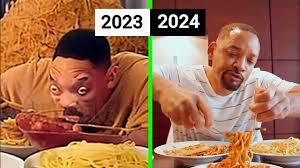
To put that leap in perspective, just think back to the viral AI video from barely a year ago: a creepy, glitchy clip of Will Smith slurping down a plate of spaghetti. The contrast with Sora's fluid, cinematic footage is huge. That this progress happened in just twelve months shows that the future of film is changing faster than we ever dared to predict.
Behind the scenes: safety and ethics in synthetic media
For now, Sora is still in a strict testing phase. OpenAI is only sharing the keys to this technology with a select group of filmmakers and safety experts, and not without reason.
To prevent misuse, the team behind Sora is working closely with specialists in misinformation, hateful content and algorithmic bias. The goal? To close the gaps before the general public and the commercial market get their hands on it.
The thin line between reality and deepfake
Despite the strict safety measures, the concerns are real. What happens when AI-generated video becomes so perfect that the human eye can no longer tell real from fake? The implications for news, politics and even brands' online credibility are huge. When video content is this easy to manipulate, authenticity becomes the most valuable thing a brand has.
Why a performance agency is excited about AI video
Yes, the societal risks are real. But looking at marketing alone, this opens doors that were closed until recently. For a data-driven performance agency, the arrival of advanced AI video content is a genuine game changer.
In performance marketing, everything comes down to testing, measuring and optimizing. Traditional video production is often expensive and slow, which makes it hard to quickly A/B test different video ads. AI video changes that completely:
- Scalability: In no time, you can generate multiple iterations of a video ad to see which hook performs best.
- Conversion optimization: By adapting videos at lightning speed to data from running campaigns, you can give your conversion rate an immediate boost.
- Higher ROI and ROAS: Lower upfront shoot costs mean more of your budget can go straight into media buying, which delivers better results on the bottom line.
In the end, I don't believe AI will replace human creativity. It will democratize the market. For a performance-focused agency like ours, it means we can turn creativity into hard results even faster.
Want to grow with data-driven video that actually converts?
At Creative Comet, we combine the latest AI video tools with the expertise of a full-service performance agency. Book a meeting with our team and find out how we can maximize your ROI.